A café can be ideal for a quick, informal catch-up. But when privacy, concentration or the outcome of the conversation matters, the setting can start working against the meeting.
There’s a familiar moment in many café meetings. The introductions are over, the laptops are open and the conversation has finally reached the important part. Then the milk steamer starts, people at the next table move closer or someone discovers the Wi-Fi isn’t going to carry the presentation.
For a relaxed catch-up, none of this matters, but, when the meeting has a job to do, it can.
Cafés are convenient, informal and often perfectly suited to a short conversation between two people. Hiring a meeting room for every coffee would be unnecessary. Equally, choosing a café simply because it feels easy can become a false economy if the people attending cannot speak freely, concentrate properly or complete what they came to do.
The decision isn’t really about whether a café or meeting room is “better”. It’s about matching the space to the purpose of the meeting.
The Conversation Is Private or Sensitive
Some subjects shouldn’t be discussed within earshot of the next table.
Staffing matters, finances, contracts, client information, health concerns, complaints and commercially sensitive plans all require a degree of privacy. Even when names are avoided, the details of a conversation may make the people or organisations involved easy to identify.
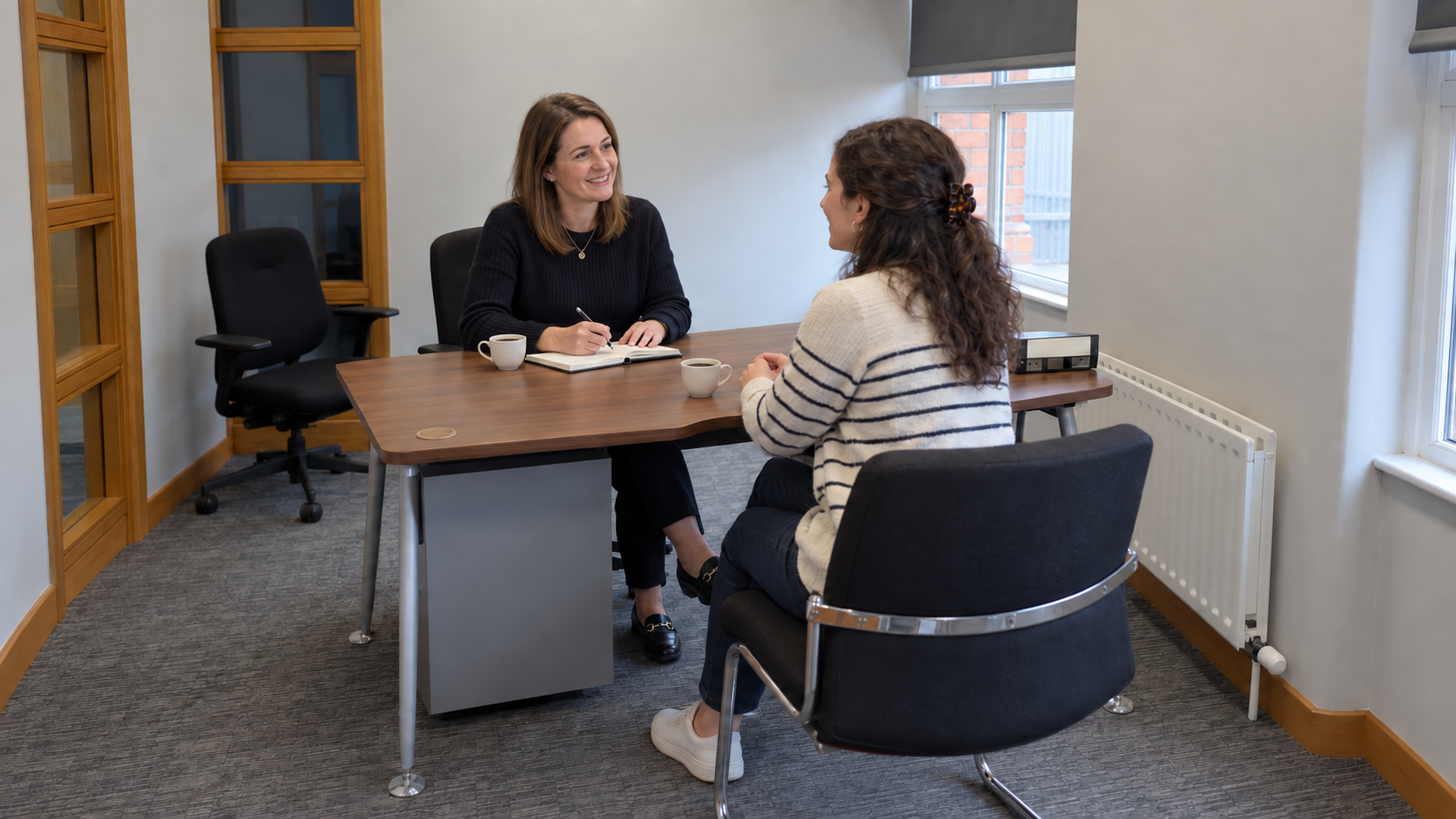
In a café, the organiser has very little control over who sits nearby, how closely tables are positioned or how far voices carry. A private room allows people to speak normally instead of lowering their voices, stopping whenever someone passes or avoiding the most important part of the discussion.
If the value of the meeting depends on people being candid, privacy isn’t an extra. It’s part of the basic setup.
The Meeting Carries More Weight Than a Casual Catch-Up
The setting starts communicating before anyone says a word.
For an introductory coffee with a new contact, an informal venue can feel warm and accessible. For a client pitch, interview, contract discussion or meeting with a funder, the same venue may feel improvised. That doesn’t mean a business needs a grand boardroom to be taken seriously. It means the practical details should show the meeting has been prepared with care.
A booked room gives the host time to arrive early, arrange documents, check the technology and welcome people properly. It also removes the awkward opening where everyone searches for a table, balances drinks beside laptops or tries to work out whether the quiet corner is about to fill with a lunchtime queue.
Professionalism is often less about polish than it is about removing avoidable friction.
You Have an Agenda, Documents or Decisions to Work Through
A conversation over coffee can move naturally. A working meeting usually needs more structure.
If attendees must review papers, compare figures, make notes, map out a plan or agree who is doing what next, they need enough space to work. Small café tables can become crowded very quickly once drinks, phones, laptops and paperwork arrive.
Noise and movement also make it easier for the conversation to drift. In a meeting room, the agenda can stay visible, documents can be spread out and the group can focus on reaching a clear outcome.
This matters particularly for strategy sessions, project planning, partnership meetings and difficult decisions. The cost of hiring a room should be weighed against the combined value of everyone’s time. A cheap venue is not much of a saving if the meeting runs long or has to be repeated because nothing was settled.
More Than Two or Three People Are Attending
A café table may work well for two people. Add several more and the practical problems begin to multiply.
Will there be enough seats together? Can everyone hear? Is there room for coats and bags? Will the group have to split across tables? Can someone who arrives later find the others easily?
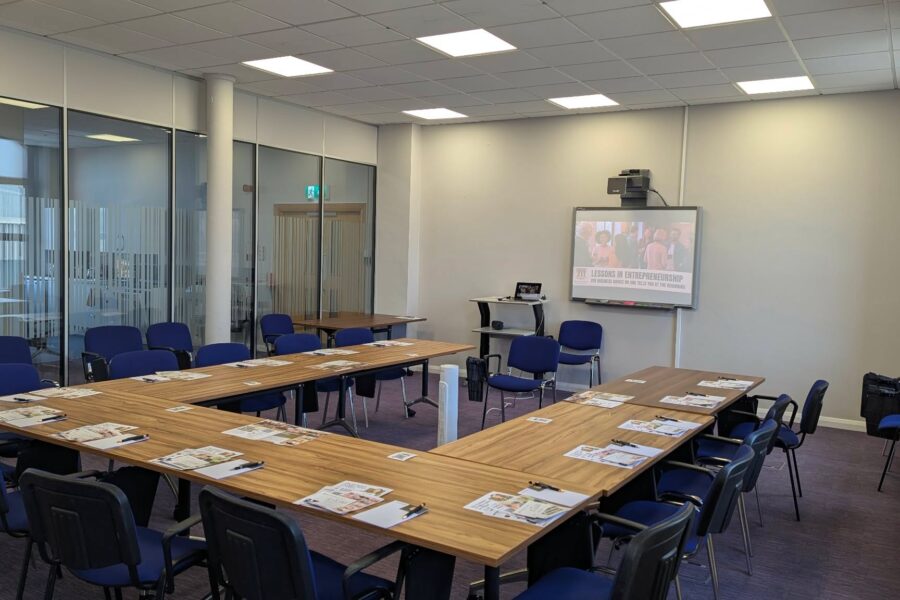
A booked room gives the organiser a known capacity and a layout which can be considered in advance. It also creates a clear destination, rather than asking several people to arrive at a busy venue and hope the right amount of space happens to be available.
The larger the group, the less sensible it is to leave the environment to chance.
You Need Wi-Fi, Power or Presentation Equipment
Public Wi-Fi and a well-charged laptop may be enough for a simple one-to-one conversation. They’re a weak foundation for a meeting which depends on slides, shared documents, online systems or a remote participant.
When technology has a job to do, the host needs to know what is available before people arrive. That might include reliable Wi-Fi, access to power, a projector or screen and enough time to test everything.
A hired room at a venue like Jennymount Business Park also makes it easier to deal with a technical problem without disturbing other customers or holding a confidential video call in a public space. The requirements should still be confirmed with the venue in advance, particularly if specialist connections, sound or hybrid meeting equipment are needed.
The Meeting Is Likely to Last
Cafés are hospitality businesses, not free offices. Buying one drink and occupying a larger table for several hours can become uncomfortable for the organiser, the staff and other customers.
Longer meetings also tend to need breaks, access to facilities and a more comfortable working position. People can’t give their best attention if they’re cramped, conscious of overstaying or repeatedly interrupted by the normal activity of the venue.
For a short catch-up, the energy of a café can help. For a half-day planning session or a conversation which needs time to unfold, a dedicated room gives everyone permission to settle and do the work properly.
Attendees Need the Journey to Be Straightforward
The meeting experience begins before anyone enters the room.
A city centre café may look convenient on a map, but parking, traffic, public transport, accessibility and even finding the correct branch can add unnecessary stress. This becomes more important when people are travelling from different parts of Belfast or further afield.
A purpose-booked venue like Jennymount Business Park allows the organiser to send clear directions, explain parking and access arrangements and give attendees one reliable place to arrive. Nobody has to circle the area looking for a space before walking into an important conversation already flustered.
The Meeting Needs a Clear Outcome
Some meetings are about maintaining a relationship. Others need to end with a decision, agreement or plan.
If the conversation is expected to resolve a problem, secure a new client, allocate responsibilities or move a project forward, the environment should support that outcome. Privacy allows people to speak honestly. Fewer distractions help them listen. A table large enough for the work makes it easier to compare information. A defined booking time creates a natural beginning and end.
The room won’t rescue a meeting with no purpose or preparation. It can, however, remove many of the practical reasons a well-planned meeting goes off course.
When a Café Is Still the Right Choice
There’s no need to turn every informal business conversation into a formal appointment.
A café can be the right choice when:
- two people are having a short, informal catch-up;
- the conversation does not involve private or commercially sensitive information;
- no presentation, paperwork or specialist equipment is needed;
- the relationship would benefit from a relaxed setting;
- both people know the venue and are comfortable meeting there.
The important point is to make a conscious choice. If the café supports the purpose of the meeting, use it. If it introduces risks or distractions which could affect the conversation, book a room.
A Quick Test Before You Decide
Before sending the invitation, ask:
- Will anyone need to share confidential or sensitive information?
- Does the meeting need to create a strong first impression?
- Will people need to review documents, see a presentation or use online systems?
- Is the group too large to rely on finding one suitable café table?
- Could noise or interruptions affect the quality of the conversation?
- Will attendees need clear parking, access or travel information?
- Does the meeting need to end with a decision or defined next step?
If several answers are yes, the room is not an unnecessary expense. It’s part of preparing the meeting properly.
Meeting Room Hire at Jennymount Business Park
Jennymount Business Park offers meeting, boardroom and training space in North Belfast, with day and half-day options available. Facilities include free Wi-Fi, a projector on request, tea and coffee and more…
The location offers on-site parking and is accessible from Belfast’s motorway network, public transport routes and the nearby train station, helping make arrival more straightforward for hosts and attendees.
To find out more about meeting rooms at Jennymount Business Park or to arrange a short tour, email jennymountbusinesspark@outlook.com or call 028 90 992 998.